A Comparative Guide to Linen, Cotton, and Wool Bedding Materials
Understand how linen, cotton, and wool bedding differ in feel, temperature regulation, and care. This guide helps you choose the right material for your sleep climate and hygiene priorities, with practical examples drawn from established brands in the category.
The realm of bedding is more than texture and color; it is a conversation between climate, comfort, and care routines. The trio of linen, cotton, and wool represents a spectrum of properties that determine how a sheet, a protector, or a mattress pad behaves night after night. In a market crowded with blends and certifications, readers crave clarity: which material delivers breathable cooling for hot sleepers? Which offers warmth and insulation without sacrificing moisture management? How should care routines adapt to preserve fiber integrity over years of use?
This guide surveys linen, cotton, and wool through the lens of everyday experience, while anchoring observations in practical examples from recognized brands. We pay particular attention to how brands position these materials, how to match products to different sleep climates, and how to maintain longevity through thoughtful care.
Linen: Breathable, Thermoregulating, Timeless
Linen sheets and textiles have long been celebrated for their exceptional breathability and natural moisture management. The fiber’s hollow structure creates air channels that promote airflow, helping sleepers stay cooler in warm weather and comfortable in transitional seasons. Linen tends to develop a softer, more inviting hand with every wash, while maintaining a structure that resists pilling and wear.
- Breathability: Linen’s loose, open weave allows steady air exchange, keeping surfaces cool during muggy nights.
- Thermoregulation: Linen adapts to body temperature, offering a cooler feel in heat and a gentle warmth when temperatures drop.
- Care and longevity: Linen is durable and often becomes more comfortable with use; stone-washing and careful washing extend its lifespan.
Practical examples from the market include Naturepedic Organic Linen Sheets, whose fabric is described as GOTS-certified organic flax linen grown in France and woven for breathability. The product line emphasizes both environmental consciousness and a measured sense of luxury—airy yet substantial enough to support year-round comfort.
GOTS-certified organic linen, stone-washed for durability, available in a curated color palette.
Wash in warm water, tumble dry on low, and avoid high heat to preserve the fiber’s integrity.
Linen also intersects with ethical and sustainable practices, aligning with consumer desires for low-toxicity textiles. In a broader sense, linen embodies a heritage of textile craftsmanship, bridging traditional weaving with modern certifications and accessibility.
Cotton: Versatility Across Blends, Weaves, and Finishes
Cotton sits at the center of most bedding ecosystems due to its versatility. Cotton sheets range from crisp percale to luxuriant sateen, from organic to conventional, and from lightweight weaves to denser, warmer finishes. The fiber’s ability to blend with other materials—like Tencel or wool blends—expands its palette, allowing sleep environments to balance softness, durability, and temperature control.
- Weave variety: Percale offers a cool, matte finish with a crisp hand; sateen delivers a smoother, more lustrous surface.
- Blending benefits: Cotton blends can improve wrinkle resistance, durability, and moisture management while maintaining a breathable base.
- Certification and health: Organic cotton and GOTS-certified fabrics emphasize low chemical impact, enhancing skin-friendly sleep surfaces.
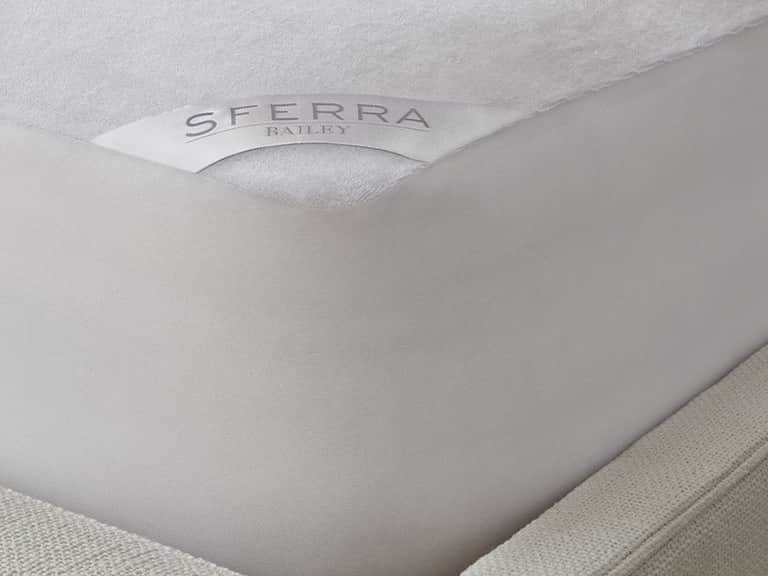
In practice, cotton sheets and protectors appear in multiple product lines. A notable example is the Bailey Mattress Protector by Sferra, a cotton terry protector with a waterproof finish and elasticized sides that fit up to 17 inches. It represents a blend of practical durability and everyday comfort—an essential element for safeguarding a mattress without compromising the tactile experience of the sheet set.
Cotton terry with waterproof finish; elasticized sides for deep mattresses; machine washable.
Wash cold or warm; avoid fabric softeners to preserve moisture-management properties; tumble dry low.
Cotton’s adaptability makes it a preferred choice for a wide range of climates and sensitivities. For allergy-conscious sleepers, organic cotton options provide a foundation for cleaner sleep environments, while high-thread-count blends may offer a touch of luxury without sacrificing breathability.
Wool: Natural Insulation and Moisture Management
Wool stands out for its inherent moisture-wicking properties and insulating capabilities. Wool’s natural elasticity helps regulate temperature, offering warmth in cooler months while avoiding the stifling heaviness that some materials can incur. Wool bedding, including mattress protectors and pads, benefits sleepers who want a naturally breathable barrier that reduces heat buildup and manages moisture without relying on synthetic additives.
- Moisture management: Wool fibers can absorb significant moisture without feeling damp, promoting a dryer sleeping surface.
- Thermal balance: Wool adapts its insulation level to environmental changes, supporting comfortable sleep year-round.
- Maintenance: Wool products often require careful cleaning guidelines to preserve loft and fiber integrity.
A representative product in this category is the Suite Sleep Wool Mattress Pad, which combines organic cotton outer layers with washable wool fill. The pad emphasizes machine-washable care and a balance of loft and breathability, reflecting wool’s modern applications in bedding.
Organic cotton outer, washable wool fill, machine washable for practical care.
Follow manufacturer care instructions; many wool pads are designed to handle gentle cycles, but avoid high heat which can shrink or felt wool.
Care and Longevity: Keeping Materials Performing
The longevity of linen, cotton, and wool bedding hinges on consistent, material-aware care. Temperature, washing method, and drying conditions influence fiber integrity, softness, and color retention. Here are practical guidelines to maximize lifespan across the three core materials:
- Follow care labels precisely, especially for linen and wool, which may react to high heat or aggressive washing cycles.
- Wash linen at moderate temperatures to preserve the fabric’s strength while maintaining brightness and subtle texture.
- Hang dry or tumble dry on low heat to reduce energy use and minimize shrinkage or distortion in cotton sheets.
- Consider line-drying delicate wool items to maintain loft and prevent fiber damage.
In the context of product selections, the Bailey Mattress Protector demonstrates how a cotton terry layer can be paired with a waterproof barrier to combine protection with comfort. For wool, protectors that use organic materials and careful construction maintain loft while safeguarding against routine wear.
Brand-Scale Context: How Brands Communicate Material Strengths
Brand narratives in bedding often blend technical claims with sensory cues. In linen, the emphasis tends to be on breathability and a softening progression; in cotton, versatility and certification signals—such as organic status or GOTS—are common; in wool, natural insulation and moisture-handling capabilities are highlighted. These signals help consumers navigate an expansive market with confidence.
To illustrate, Naturepedic, a brand frequently cited in linen discussions, emphasizes organic, GOTS-certified linen with attention to the tactile and climatic benefits of linen fibers. Suite Sleep, known for wool and cotton-based protections, foregrounds sustainable materials, machine-washable designs, and balanced comfort. Bailey Mattress Protector shows how a cotton terry base can carry waterproof finishes without sacrificing softness or ease of care.
Three Key Figures Through Time: Perspectives on Sleep and Textiles
A thoughtful bedding conversation spans centuries. Consider three influential figures who, in their eras, shaped how people think about textiles, comfort, and home routines:
- Thomas Proctor, 18th Century Fabric Curator — A theorist who catalogued natural fibers and weaving techniques, Proctor’s notes on linen and cotton usage reveal early recognition of breathability and textile durability as core attributes for daily life. His scholarship helped set standards for textile quality that echoed through later industrial production.
- Florence Nightingale, 19th Century Health Reformer — Though renowned for nursing, Nightingale’s emphasis on sanitation and environmental conditions extended to the home, where bedding hygiene and fabric purity mattered for patient recovery and sleep quality. Her advocacy for cleanliness in textiles underscored the link between health and bedding materials.
- W. H. McCluskey, 20th Century Textile Scientist — A pioneer in fiber science, McCluskey’s studies on moisture management and fiber interactions informed modern performance textiles, including moisture-wicking linens and cotton blends that improved comfort across climates.
These figures remind readers that fabric choice is not only a sensory preference but a blend of history, science, and daily rituals—an ongoing dialogue between comfort, hygiene, and technology.
Conclusion: Choosing Your Bedding Material Wisdom
Linen, cotton, and wool each offer distinct advantages, shaped by climate, care routines, and personal comfort. In choosing bedding for a particular season, room, or sensibility, consider:
- Breathability and moisture management: Linen for hot climates; cotton blends for versatile use; wool for cooler environments with moisture regulation.
- Durability and softening trajectory: Linen’s long-term durability; cotton's adaptable feel over time; wool’s loft retention with proper care.
- Care practicality: Cotton and linen often fade into routine washing, while wool requires mindful, sometimes cooler or gentler care to preserve loft and fiber integrity.
The guide’s practical centerpiece is the balance between comfort and care. By coupling material knowledge with mindful maintenance, readers can build a bedding ecosystem that stays true to its material essence—season after season.
Product Spotlight: Representative Items
The following selected products illustrate how different materials appear in real-world offerings. Images are for reference and shopping context; they showcase how brands translate material properties into usable sleep solutions.
Bailey Mattress Protector
Cotton terry with waterproof finish; fits up to 17" depth.
A practical cotton base with a waterproof barrier offers protection without sacrificing the feel of the underlying mattress.
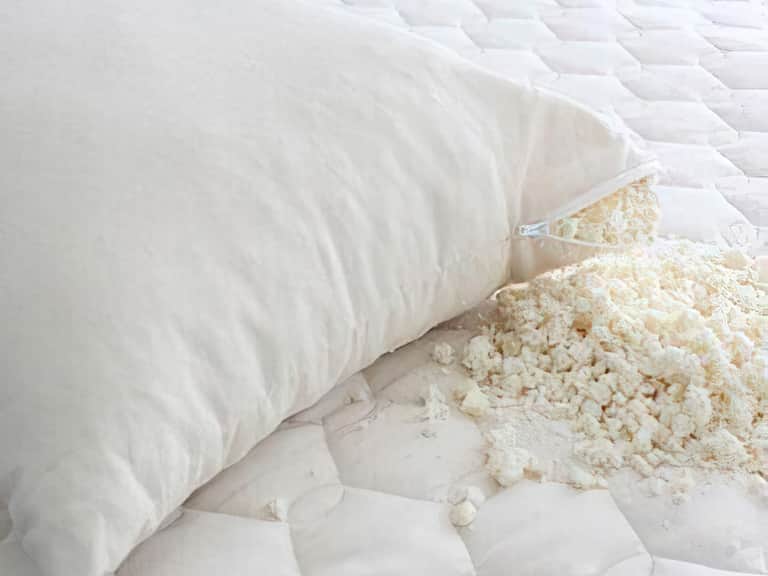
Savvy Rest Shredded Latex Pillow
Shredded latex blend with organic cotton outer shell.
Flexible loft and responsive support, adjustable by adding or removing fill.
Breathable Mattress Protector 2023
Designed to preserve Casper’s cooling performance.
A modern protector balancing protection with comfort and airflow.
About Mattress Linens: Our Non-Commercial Promise
This article embodies an informational, educational stance. While it references current products to illustrate material properties and consumer choices, the emphasis remains on helping readers understand material performance, care practices, and brand signals that inform responsible bedding purchases.