Mattress pads provide an extra layer of comfort and protection for mattresses, enhancing sleep quality by adding a cushioned surface that can reduce pressure points. They also help regulate temperature, wick away moisture, and extend the life of mattresses by shielding against spills and stains. In this category, understanding materials, thickness, and fit helps match a pad to individual sleep needs and bed sizes.
Key materials for mattress pads include cotton, cotton blends, and performance fabrics that promote breathability and longevity. Some pads incorporate moisture-wicking properties, waterproof barriers, or quilted designs to balance softness with durability. When evaluating these products, consider corner depth, elasticity, and whether the pad remains securely in place through the night.
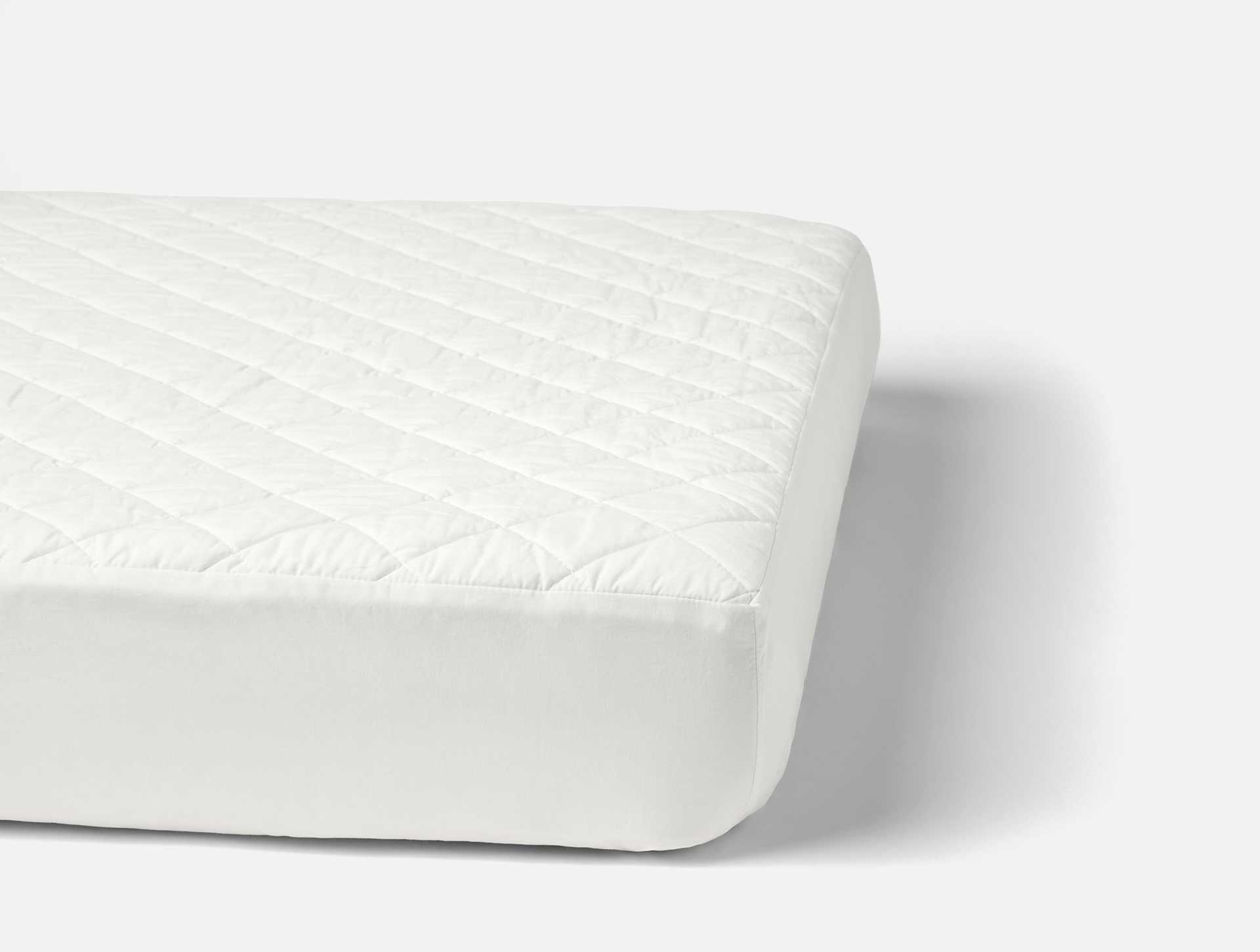
For crib environments, the Organic Crib Mattress Pad exemplifies safety-focused design with materials that meet pediatric standards and reduce surface moisture exposure. Features often include organic cotton surfaces, breathable fill, and snug, securely fitting corners to minimize movement. Functional benefits include improved sleep surface hygiene and a gentler touch for infants.
In terms of usage, mattress pads are suitable for protecting mattress cores from accidental spills, allergens, and everyday wear. They can also serve as a temporary shield during illness or after injury, while maintaining a comfortable and supportive surface. Proper care, including regular laundering, helps preserve fabric integrity and sanitary conditions over time.
Understanding the interplay of bedding components—sheets, duvet covers, pillows, and memory foam pillows—alongside mattress pads can inform healthier sleep environments. Selecting pads with appropriate thickness, moisture management, and fit ensures a stable sleeping surface that complements diverse sleeping styles and body support needs.
 Bedding